Ethical Coffee Brands That Support People and Nature

Sanctuary Coffee donates profits to animal welfare
Coffee is one of the world’s most popular drinks, yet many of the people who grow it earn very little. Most beans are bought on the global commodity market. Prices can fluctuate and even fall below the cost of production. When this happens, farmers may struggle to cover their costs.
So only a small percentage of the price you pay for a jar of coffee, reaches the farmer. Sometimes even only a few pence from the retail price. The rest covers processing, transport, packaging, roasting, marketing, retail costs and profits throughout the supply chain.
Many instant coffees are made primarily from Robusta beans because they are less expensive to produce and contain more caffeine. Higher-quality speciality coffees are usually made from Arabica beans, which generally command higher prices but also cost more to grow.
Avoid caffeine for pregnancy/nursing.
Sweet Freedom makes nice vegan barista syrups.
Swishing coffee grounds into sinks could clog drains, so use a SinkShield. Unless you have a food waste bin, just bin coffee grounds (and tea leaves) to avoid caffeine harming compost creatures.
Fairer prices and farm relationships matter
Coffee growers face changing market prices alongside costs for labour, equipment and farm maintenance. Poor harvests, crop disease and unpredictable weather can add to the pressure. Climate change can also affect rainfall and temperatures in coffee regions.
A higher price for quality may give producers more room to cover costs and invest in their farms. The details matter, though. A premium paid to an exporter isn’t automatically the amount a farmer receives, and a high retail price doesn’t reveal how the money is shared.
Longer-term buying relationships can help when they give producers a more dependable market and allow buyers to understand local conditions. Information about payment terms, purchase volumes and the people involved makes those relationships easier to assess.
Traceability helps too. A named farm or cooperative tells you more than a country of origin alone. Still, a name on a packet doesn’t establish that everyone working there receives fair pay. It’s one useful piece of information, alongside a clear account of how the coffee is bought.
Shade-grown farms make room for wildlife
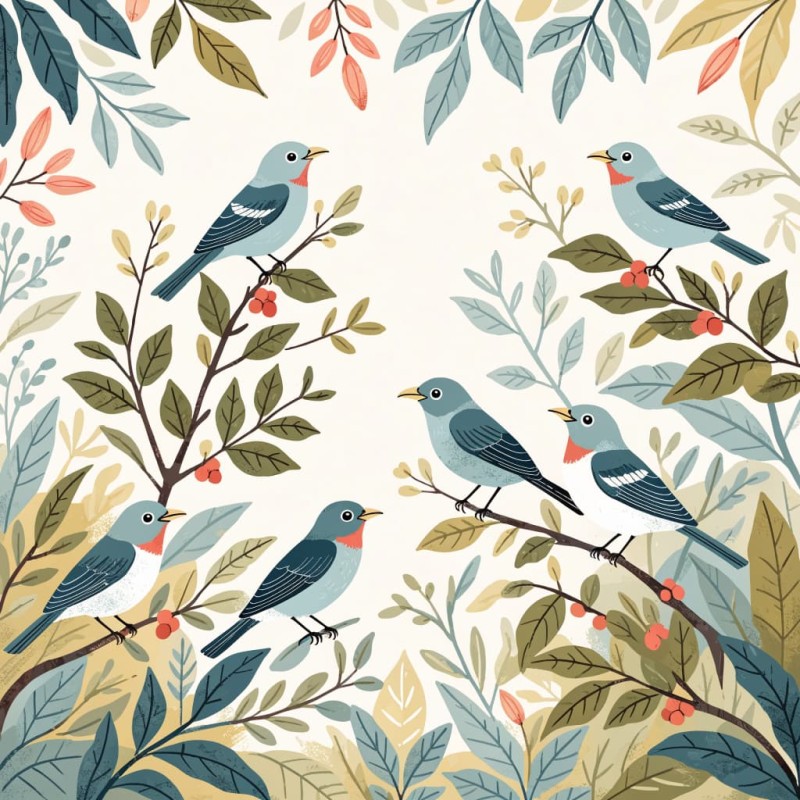
Coffee grown in large, open monocultures offers limited tree cover and fewer types of vegetation. In contrast, farms that retain shade trees and other plants can provide birds with places to feed, shelter and nest. Flowering plants can also offer food for pollinators.
Examples show what is possible, rather than what happens everywhere. Some studies have found only 6 to 12 bird species on unshaded coffee monocultures. One shade-grown farm in Mexico recorded 184 bird species, including 46 migratory species. A shade-grown farm in India recorded 28 mammal species.
Bird & Wild (UK) uses profits from shade-grown coffee to support RSPB and songbird charities in coffee-growing regions. Sold in glass jars and sent in recycled shredded cardboard packaging.
Read how to create safe havens for birds (feeding, nest-boxes) and preventing bird strike). Don’t play birdsong near birds (confuses and can attract predators).
Choose a coffee you will enjoy and use fully
A coffee that suits your brewing method is more likely to be used. For a cafetière, choose a coarse grind. Espresso generally needs a fine grind, while filter brewing usually works with a medium grind. If you have a grinder, whole beans let you adjust the grind for your equipment.
Roast and flavour matter as much as format. A lighter roast may bring out fruitier or brighter flavours; a darker roast often tastes more strongly roasted. Neither organic nor speciality coffee guarantees a flavour you’ll enjoy, so choose tasting notes that appeal to you.
Buy a quantity you can use while it stays fresh and store it in an airtight container away from heat and light. If you use pods, match them to your machine and follow the relevant disposal instructions. Packaging materials and local recycling arrangements vary.
Ethical coffee brands that do good
Forget Nescafe! Here are some fab coffee brands to switch over to, for your morning brew. Or ask for them at local outlets and take along your reusable coffee cup.
Coffee brands that help animal charities
UK
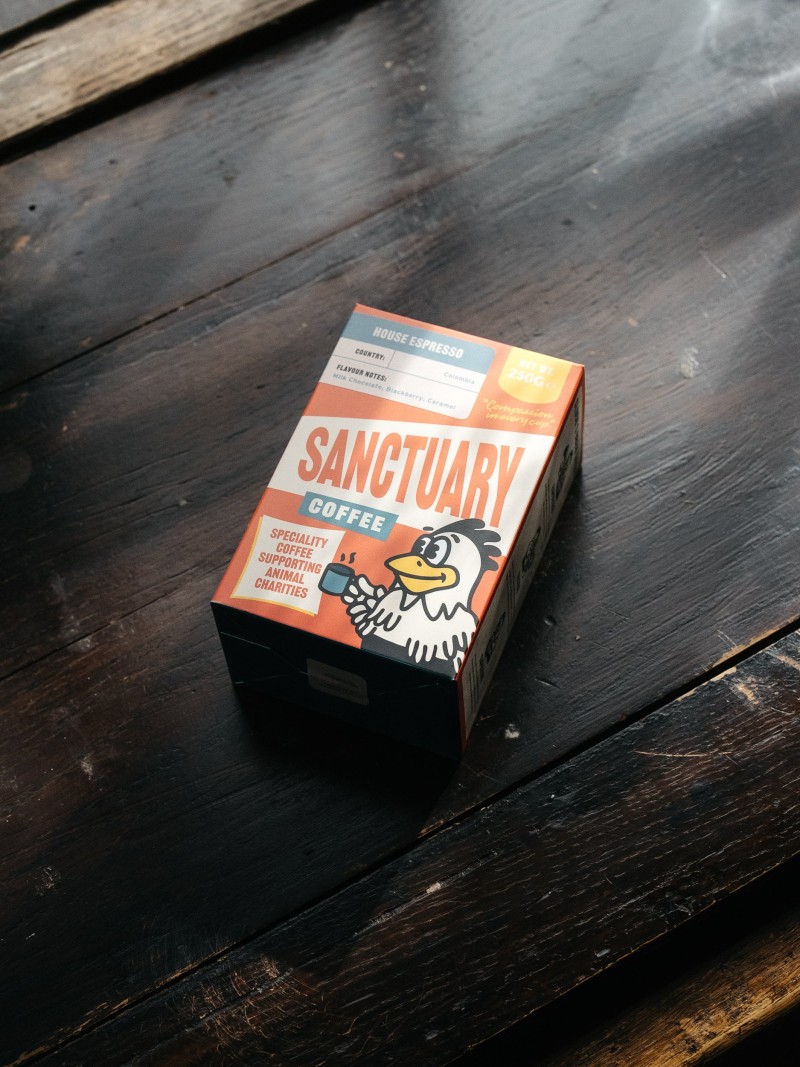
- Sanctuary Coffee donates profits to help animal charities, including greyhound charities that receive no government funding. Stocked nationwide, it’s helped a Welsh sanctuary that saved animals from an illegal slaughterhouse.
- Mad Dog Coffee supports animal causes.
- Happy Staffie Coffee helps dogs
North America
- Grounds & Hounds Coffee donates a portion of profits to animal shelters, rescue programmes, vaccinations and spay/neuter initiatives.
- Rescue Coffee Co (Canada) offers Go Fetch! and Downward Dog
- Fluffy Cow Coffee supports farm animal sanctuaries.
- Hugo Coffee Roasters supports a different animal shelter each week.
- Flip Coffee supports shelters in memory of a boxer dog friend. Supported by dog whisperer Rocky Kanaka.
- Great Dane Coffee donates 20% of profits to help 300 rescues.
- Purrfect Coffee and Tea (Canada) helps various animal shelters
- Spirit Bear Coffee Company (Canada) helps wildlife shelters
Australia and New Zealand
- Faithful Hounds Coffee (Australia) supports several animal charities.
- Cafftail (NZ) helps local animal charities
Animal sanctuaries play a vital role in providing care for animals who need a safe place to live. Unlike temporary shelters, sanctuaries may provide long-term or lifelong homes. Funds are needed for food, housing, bedding, shelter repairs, heating, water and heating.
Also read how to support animal shelters in Eastern Europe.
Coffee brands that help other humans
Skylark (UK) is the world’s first non-profit coffee brand. It pays twice the Fair Trade rate to coffee growers, giving other profits to environmental organisations, and those seeking to stop exploitation in the coffee trade (roasters receive the most profit normally, not the growers).
Pachama Coffee (US) is a unique coffee brand owned by coffee farmers. Instead of outside investors or shareholders owning the business, thousands of farming families from Peru, Nicaragua, Guatemala, Mexico and Ethiopia collectively own the company.
Humble Brag (AU) is sold in tins, and uses profits to support young people and indigeneous communities. And international aid programs.
Vegan latte and cappuccino mixes

If you enjoy a creamy latte but don’t enjoy paying coffee shop prices, Sweet Revolution offers an easy and affordable alternative. Their range of vegan latte mixes lets you make café-style drinks at home in just a few minutes, with a choice of unique flavours including gingerbread, chai, matcha, beetroot and spirulina (check medication before consumption).
Exhale organic coffee (high in antioxidants)

Exhale is an organic coffee brand that is high in antioxidants. It is real ground coffee, so you will need a coffee machine, cafetière (French press), filter coffee maker, or another brewing method. The decaff coff uses chemical-free Mountain Water Process